Ancient Lykosoura, in southern Arcadia of the Peloponnese, is not just an important archaeological site. According to Pausanias, it is considered the oldest city in the world and the first city to see the light of day — a claim that made it stand out since antiquity.
Built on the slopes of Mount Lycaon, Lykosoura combines myth, history and landscapes that even today retain a special atmosphere. Every stone in the area seems to be connected to stories about gods, kings and the first organized communities of people.
According to Pausanias, it is considered the oldest city in the world — the first city to see the light of day and a model for those created later.
The city was founded, according to ancient tradition, by the mythical Lycaon, son of Pelasgus and first king of Arcadia. In fact, Pausanias reports that before that time people lived in caves and in the countryside, while Pelasgus was the one who taught them to build makeshift dwellings and use animal skins as clothing.
Lykosoura developed on the slopes of Mount Lycaon, a place considered sacred since ancient times. The mountain was associated with traditions surrounding Zeus, while the Arcadians believed that this was the real “Crete”, the place where the god was raised, and not the well-known Crete.
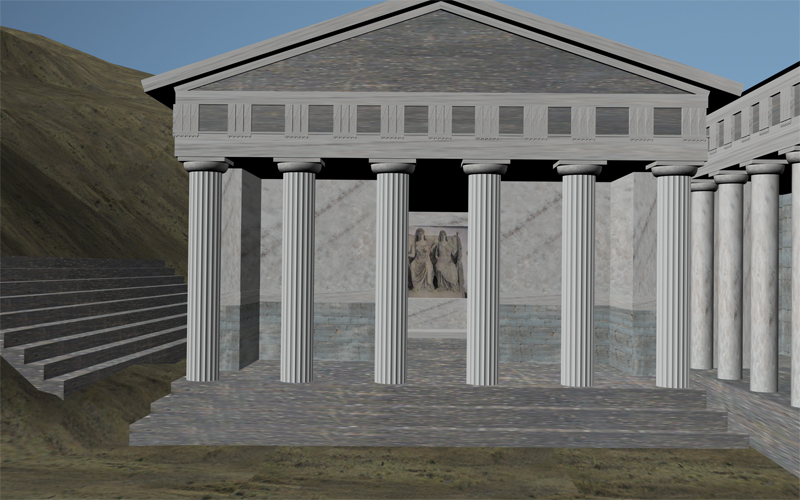
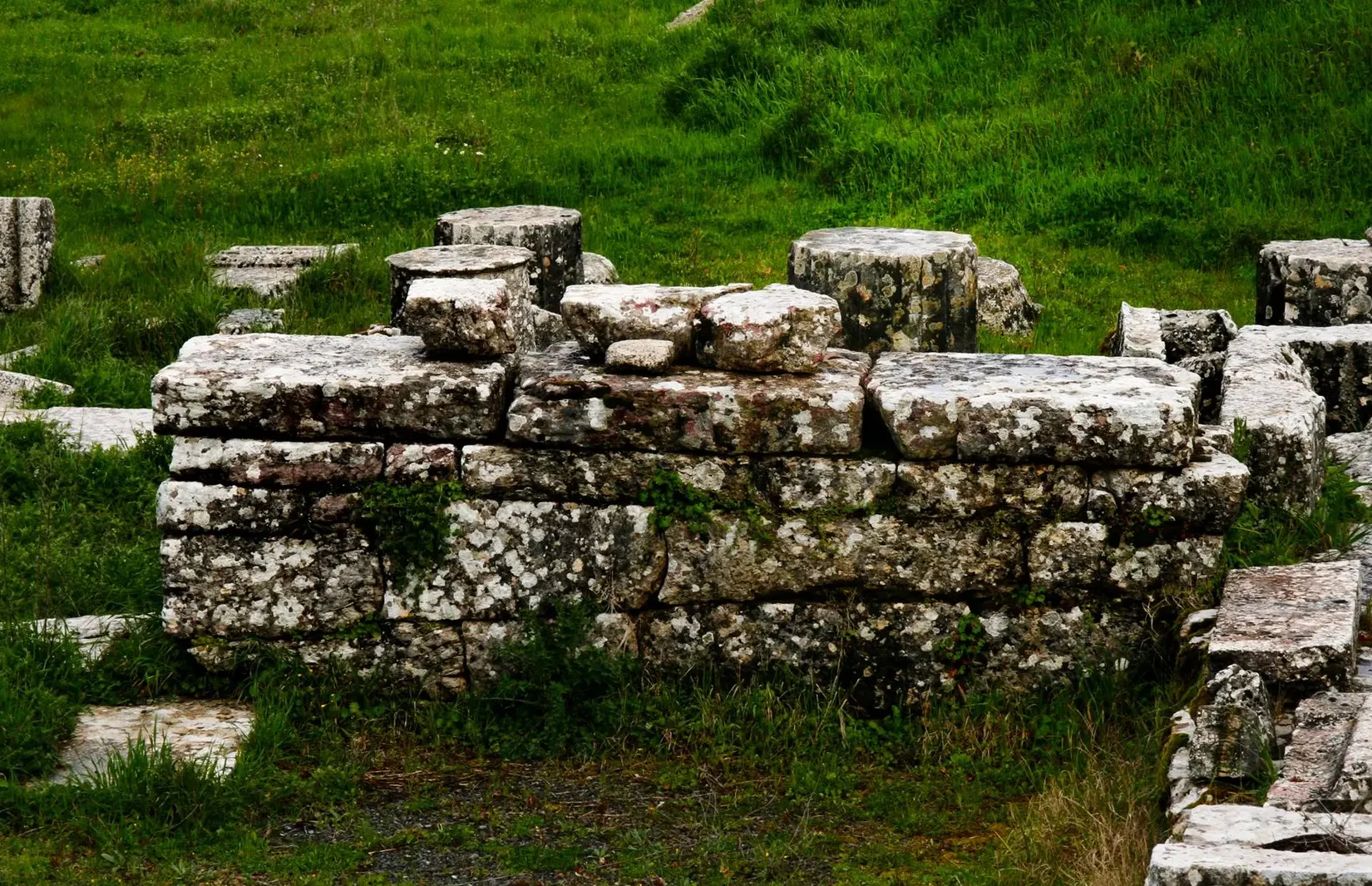
The most important attraction of the area is the Sanctuary of Despoina. Despoina, daughter of Demeter and Poseidon, was worshipped here in an impressive Doric temple. Inside were colossal statues of Despoina, Demeter, Artemis and Anytus, works of the Messenian sculptor Damophon. To this day, parts of these sculptures are exhibited in the area's museum, while their base remains at the archaeological site.
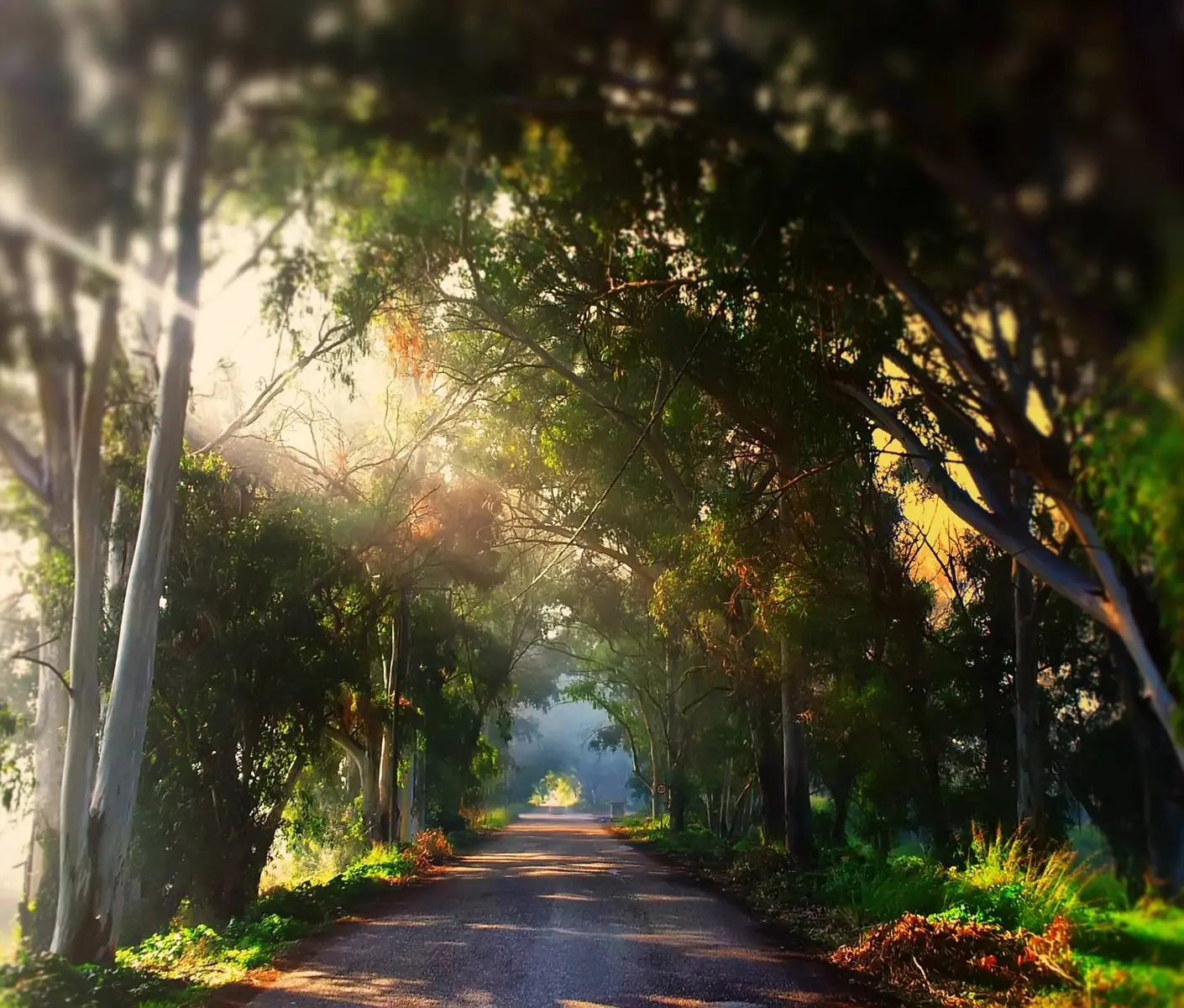
If you are in Andritsaina, Ancient Lykosoura is about 25 kilometers away and is an ideal choice for a day trip that combines history, mythology and unique landscapes. Among mountains, legends and ancient ruins, you will find yourself in a place that the ancients believed was the first place in the world that the sun saw.