
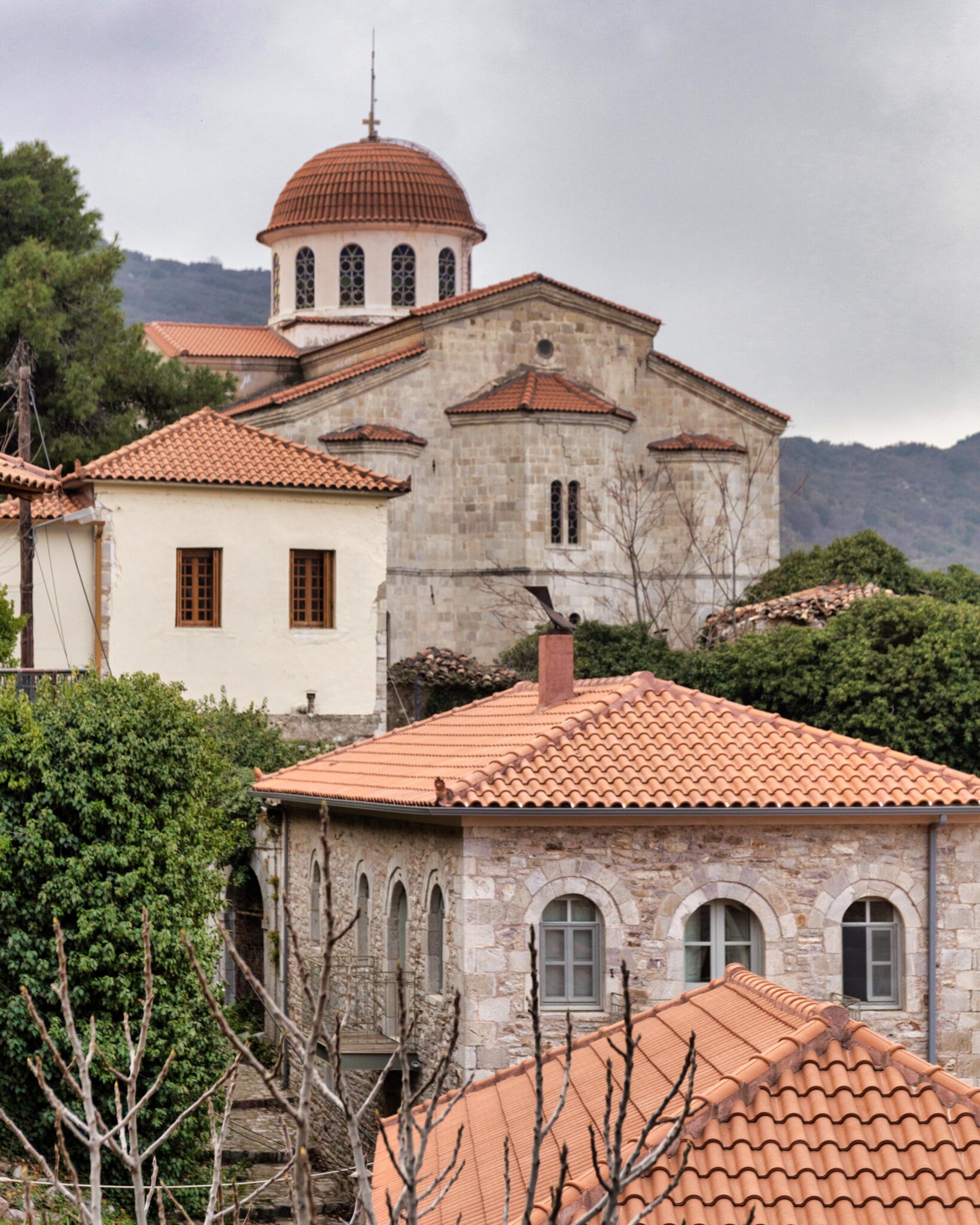
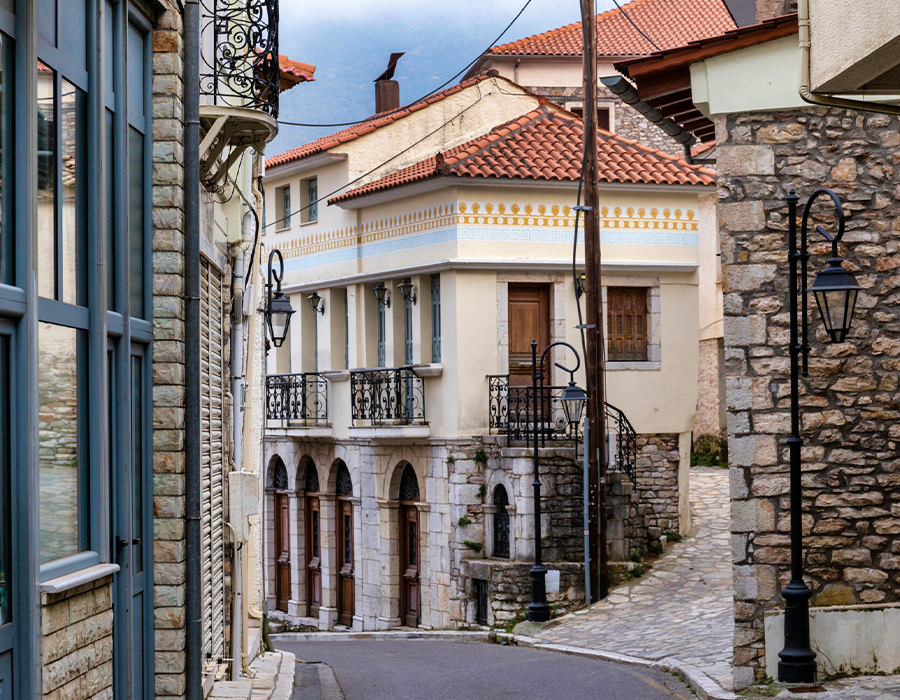
A Versatile Gateway to Unforgettable Experiences!
Andritsaina is not just a destination.
It's a feeling that finds you before you even arrive. A secret gem of the Peloponnese that combines history, nature and authentic hospitality — no fuss, no exaggeration. Only the truth. Walk the cobblestone streets, let your pace relax and feel the place as it really is. In the heart of the village, the historic Trani Fountain has been running non-stop since 1724, reminding you that here time does not chase — it flows. And around you?;
A complete experience: Ancient Olympia, Temple of Apollo Epicurius, Neda Gorge, stone villages, nature that doesn't pretend. If you're looking for something authentic, you're already in the right place.
History of Andritsaina
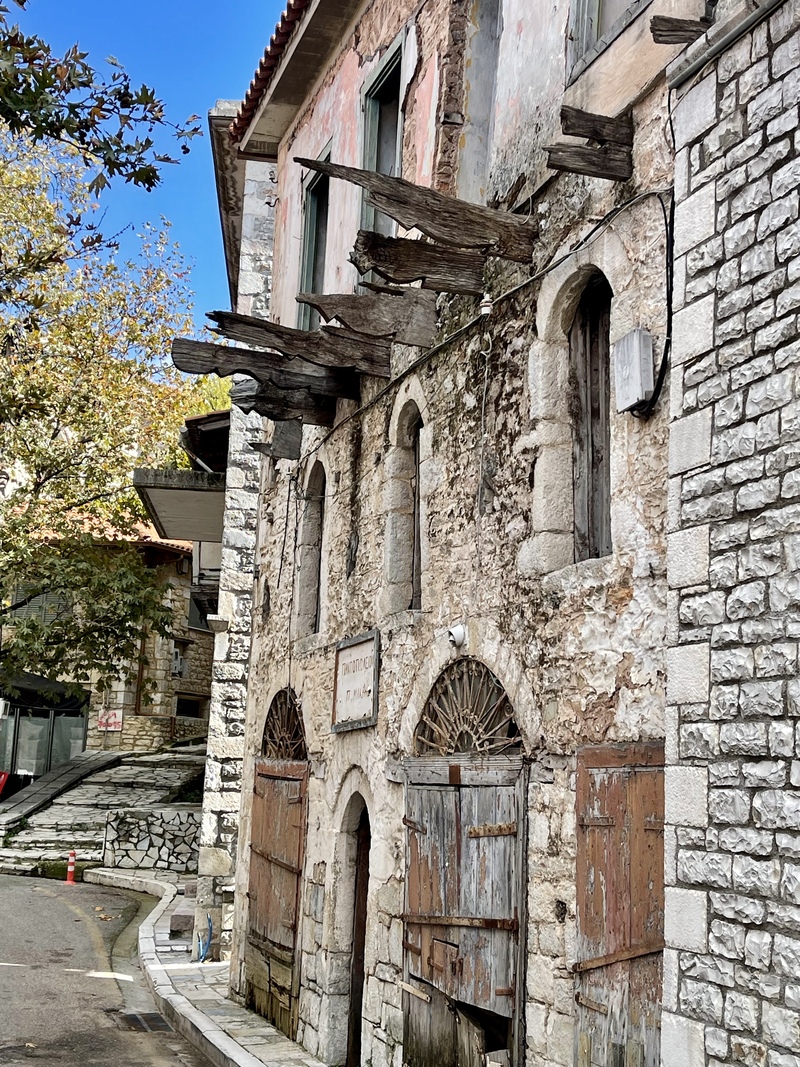
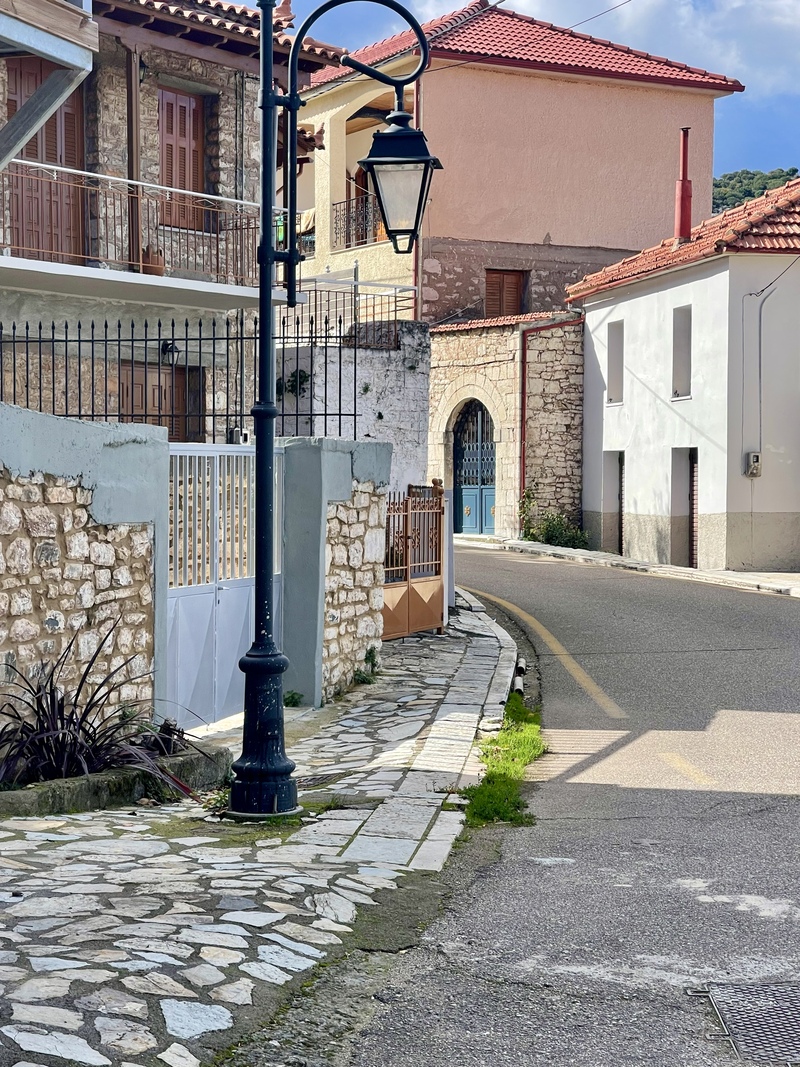
The history of Andritsaina is lost deep in the centuries and is imprinted on every stone, in every alley. During the Byzantine period, the area experienced significant development, with churches, monasteries and an intense spiritual life. Even through the difficult periods of Frankish and Ottoman rule, Andritsaina evolved into an important administrative and cultural center of the mountainous Peloponnese. Already in the 18th century, it was a thriving city of the Morea, with workshops, weaving mills and commercial activity that attracted people from all over the region. History here is not just something you read about — it is something you feel..
A Place Where History and Hospitality Live Together
Andritsaina is one of those places that doesn't try to impress you — and eventually does. Built on the slopes of Ilia, it keeps a rare balance alive: tradition and everyday life, tranquility and life, past and present. Walking through the picturesque alleys, you feel the art of the old craftsmen who left their mark on time. The cobblestone streets, the courtyards, the stone walls — everything tells stories without saying a word. At the heart of the village, the people. Authentic, warm, without a "tourist filter." And somewhere there, you understand that you are not just visiting a place.
You live it.
✨ 5 things you might not know about Andritsaina
The name of the city is associated with a woman. According to local tradition, a Cretan shepherd, Andrikos, established an inn near a spring. After his death, his wife — Andrikena — continued to operate it, eventually giving her name to the place.
It was one of the most important spiritual centers of the Peloponnese. With schools, churches and educated people, Andritsaina had an intense spiritual life for centuries.
George Gemistos Plethon passed through here. The great Renaissance philosopher lived for a time in the area, enhancing its importance as an intellectual center.
It was an economic center as early as the 18th century. With workshops, weaving mills and a large market, it was a point of reference for the entire mountainous Peloponnese.
It is one of the few places that still retains its authentic character. Without excessive touristic alteration, Andritsaina remains what it has always been: real.
Andritsaina: The Journey to Adventure and Nature
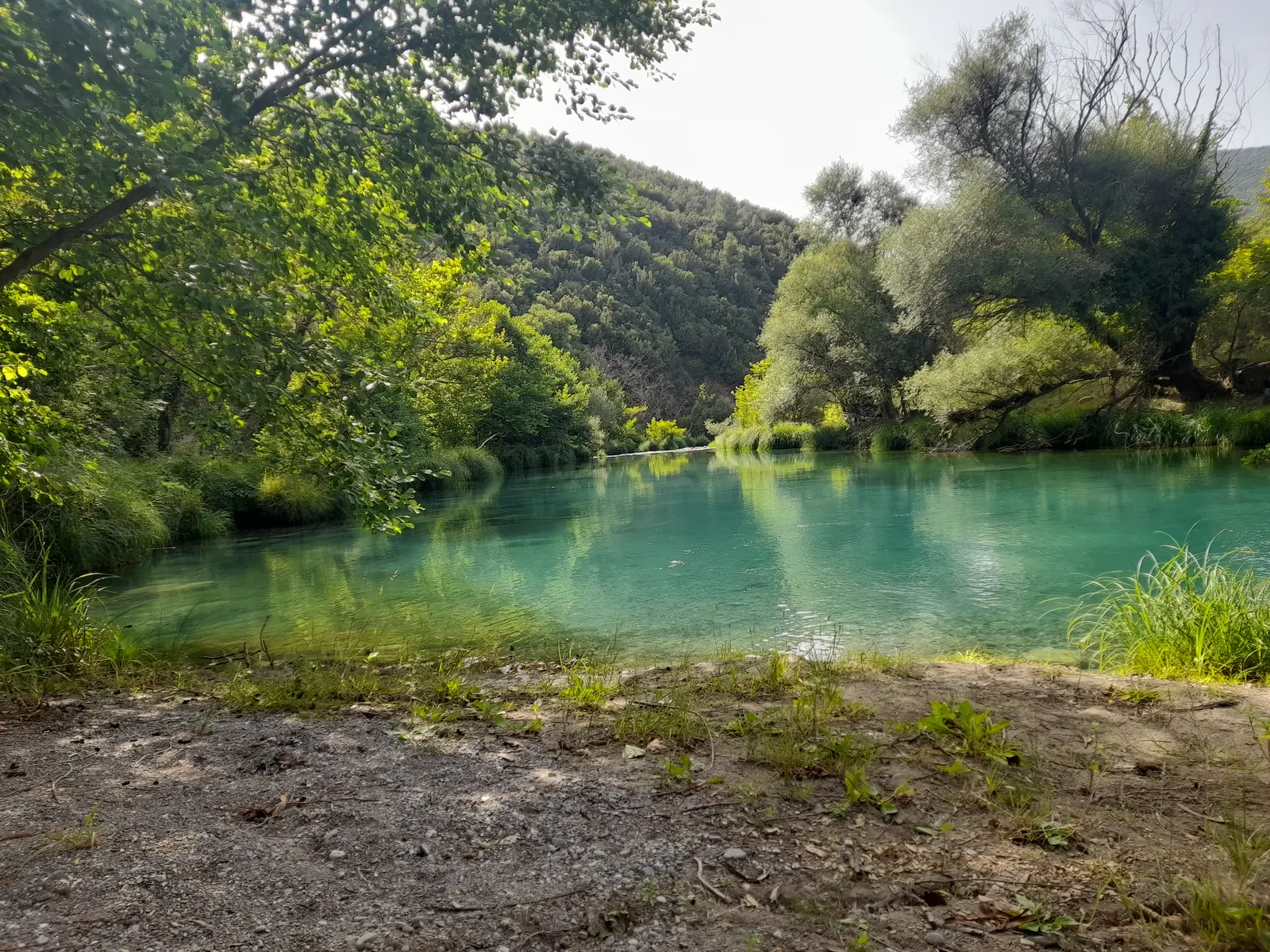
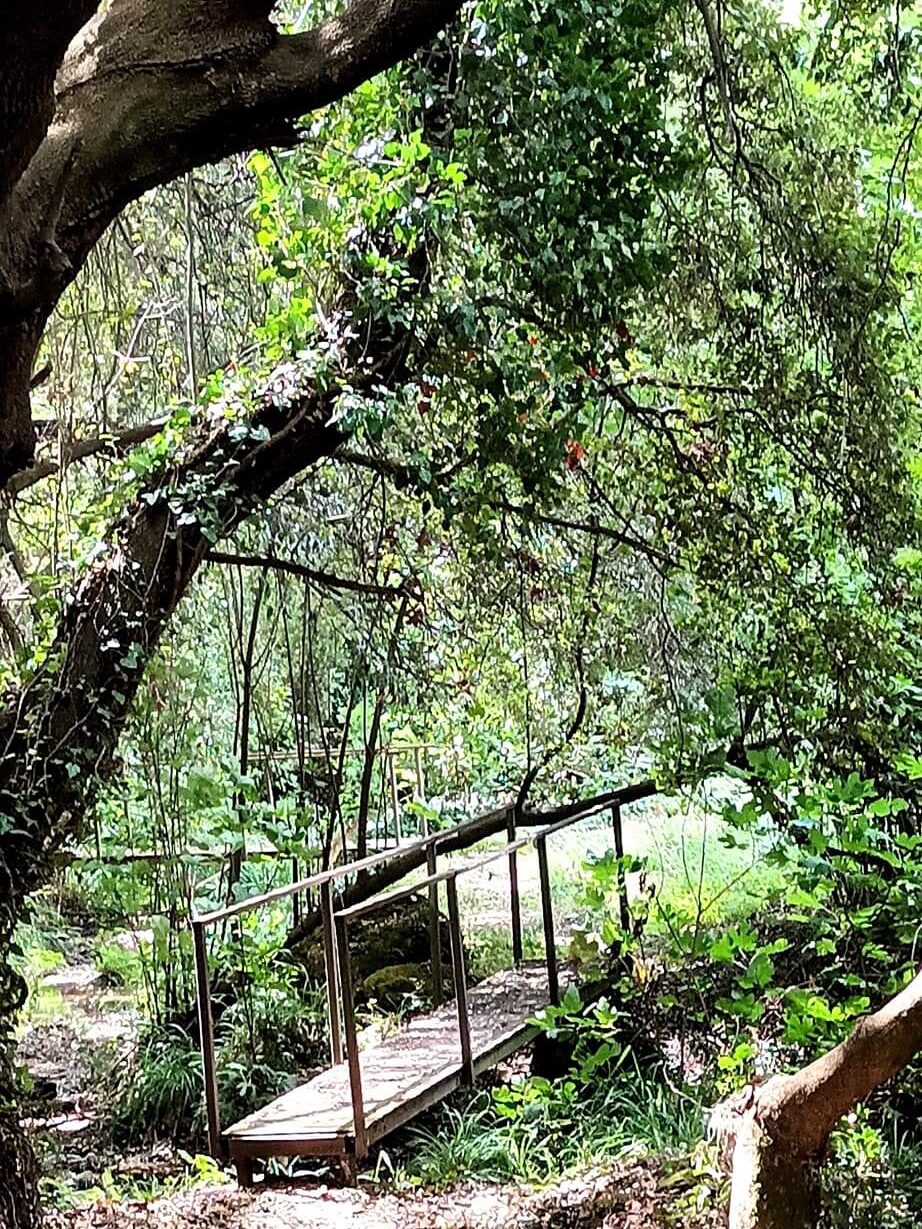
For you who love adventure, whether you are a hiker, a mountaineer, a nature lover or a traveller, Andritsaina is the ideal destination. Here, every step is part of the Whole, as Aristotle said: "Part of the Whole" and so on. The mountain slopes invite you to explore their paths, with your gaze reaching far away, all the way to the Ionian Sea and Messinia.
The landscape is not only impressive but also lively, full of movement. Nature embraces you, with the wild landscape of Mount Lykaion and the Neda Gorge offering you total tranquility. Here, the fresh air fills your senses with the scents of wild vegetation and the sound of flowing water calms you down. Everything you need to feel truly free and connected to the earth.
A Natural Paradise made for Rejuvenation
Andritsaina is a unique destination for those who want to reconnect with nature and rejuvenate. The microclimate of the area, with cool temperatures that are maintained even in summer, offers shelter from the heat, thanks to the altitude and the winds from the surrounding mountains, such as Lykaio Oros. The rivers Alpheios and Lucius, as well as the natural springs, create a landscape of rich vegetation and renewal.
The wild nature of the area, with forests of oak, oak and fir trees, supports a variety of wildlife, such as wild boars, foxes and rare species of birds. Visitors can enjoy hiking the trails and discover the natural beauty of the area.
The fertile soil of Andritsaina supports natural crops and beekeeping, making honey production one of the local treasures. The natural springs and waterfalls of Neda offer ideal opportunities for nature activities.
In summary, Andritsaina combines a cool climate, rich vegetation and a unique ecosystem, offering a haven of tranquility and connection with the natural environment.
The Temple of Apollo Epicurus
Near Andritsaina, dominates the Temple of Apollo Epicurus, one of the most important ancient monuments of Greece and a UNESCO World Heritage Site. The temple, the work of the famous architect Iktinos, stands proudly among the mountains, linking the past with the present and inviting you to contemplate the grandeur of ancient Greek civilization.
Andritsaina and the beauty around it do not make just a destination, but an experience that brings the senses to life. Here you will find true Greek hospitality, with the locals welcoming you with open arms and a warm smile. Whether you are enjoying the tranquility of nature or discovering the rich history of the region, Andritsaina will enchant you with its charm and authenticity.
Nicolopouleios Library: A Treasure Trove of Knowledge and Culture
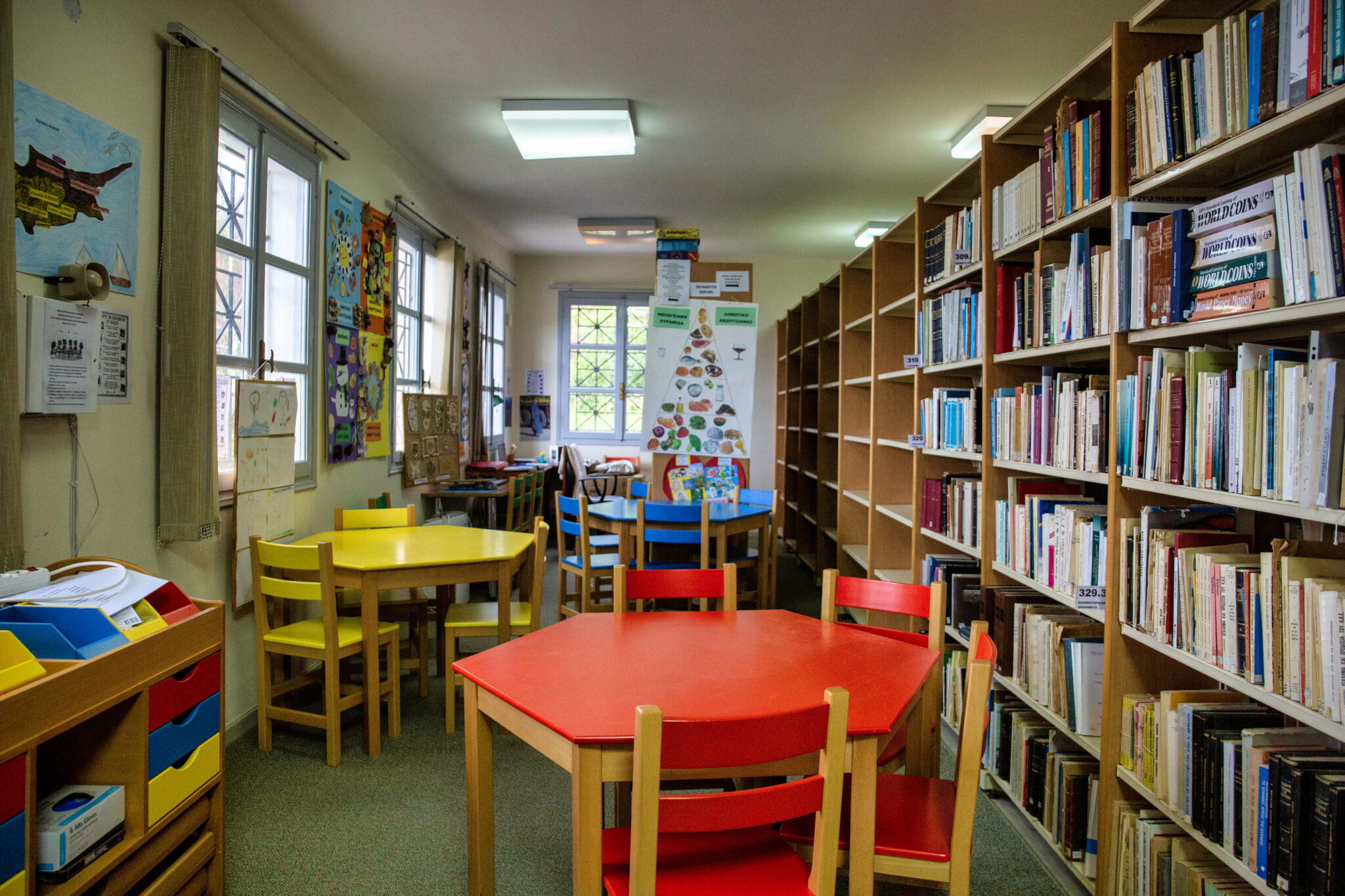

Life is knowledge, and in Andritsaina knowledge is everywhere, intertwined with its stones, its streets and its history. In this small, picturesque town in mountainous Ilia, a cultural jewel dominates. It is not just a collection of books, but a living memory, a bridge that connects the past with the future.
A Library Full of Wonders
Its shelves house over 40,000 volumes, each with its own history. Among them, treasures such as the Iliad of 1713 and the Geography of Strabo from 1516. These rare works are not just books, but windows into the world of classical thought and culture.
Here is also a copy of the book Armenopoulos, Exabiblos, one of the most important legal codes of the Byzantine period. Each page of the library takes you on a journey through the greatest moments of Greek and world thought, from antiquity to modern history.
A Nursery of Small Scholars
The Nikolopouleios Library is not limited to rare manuscripts and publications. Recently, its collection has been expanded with a new lending library and a children's library for young visitors, young readers, who will find here the ideal place to cultivate their love of books. This library should be - and was created to be - a "nursery" for young scholars, a place where children will discover the magic of knowledge and learning.
A Refuge of History and the Future
The Nikolopouleios Library was founded by Agathilos Nikolopoulos, with the vision to offer knowledge and culture in his city. Here, the history of Andritsaina meets the evolution of modern Greek literature and thought. It is a cultural beacon for new generations, a place where the power of knowledge bridges the past with the future.
Visit the Library
A visit to Nikolopouleio Library is more than just a tour of the shelves full of history. It is an experience that connects you to the spiritual heritage of Greece. Here, every book tells a story, every corner is full of wisdom. A library for young and old, book lovers and researchers who believe in the power of knowledge.
Knowledge is our true heritage.
Hours of operation: The Library is open to the public from Tuesday to Saturday, 8:00 – 14:00.
The Folklore Museum of Andritsaina
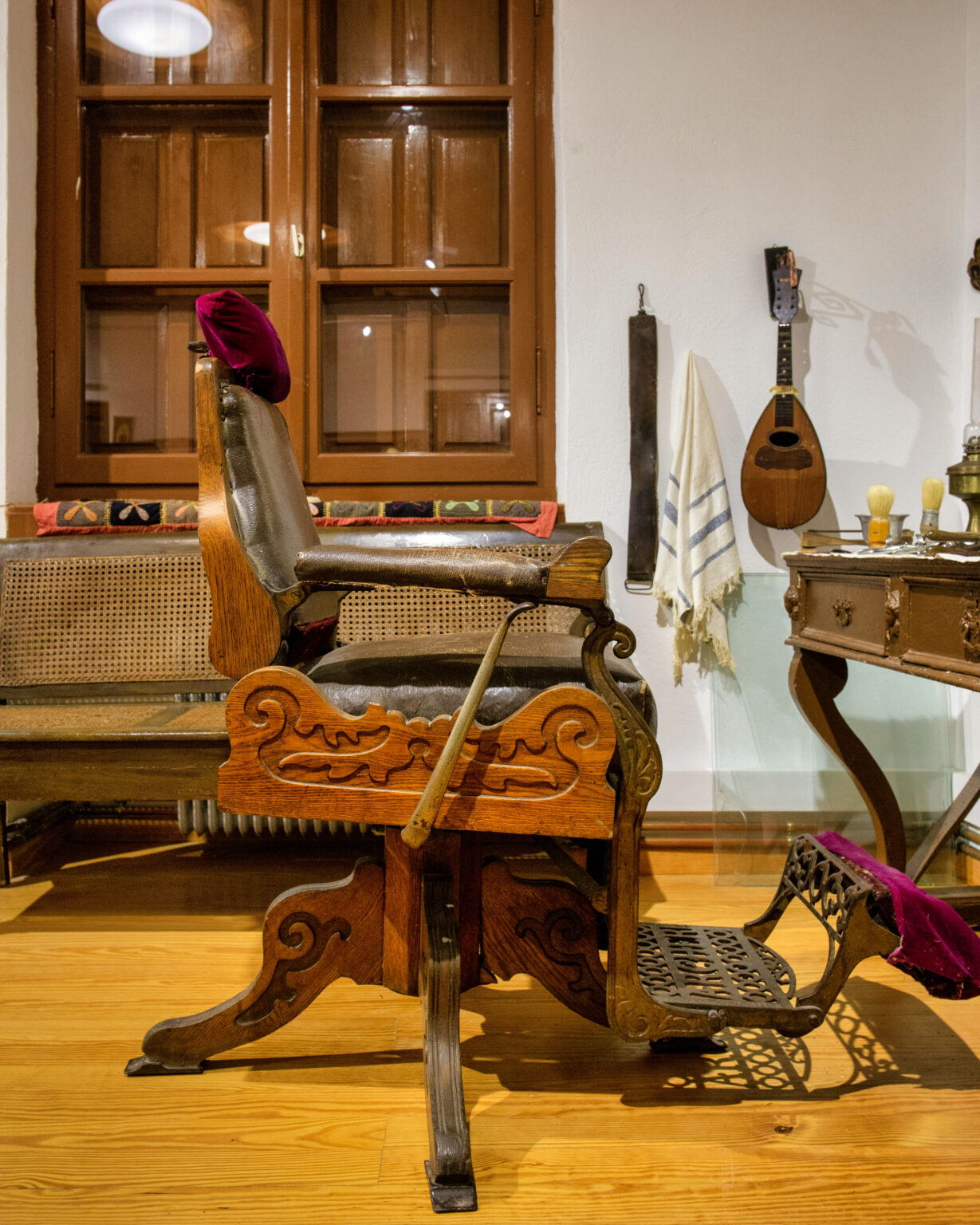
A hidden cultural treasure.
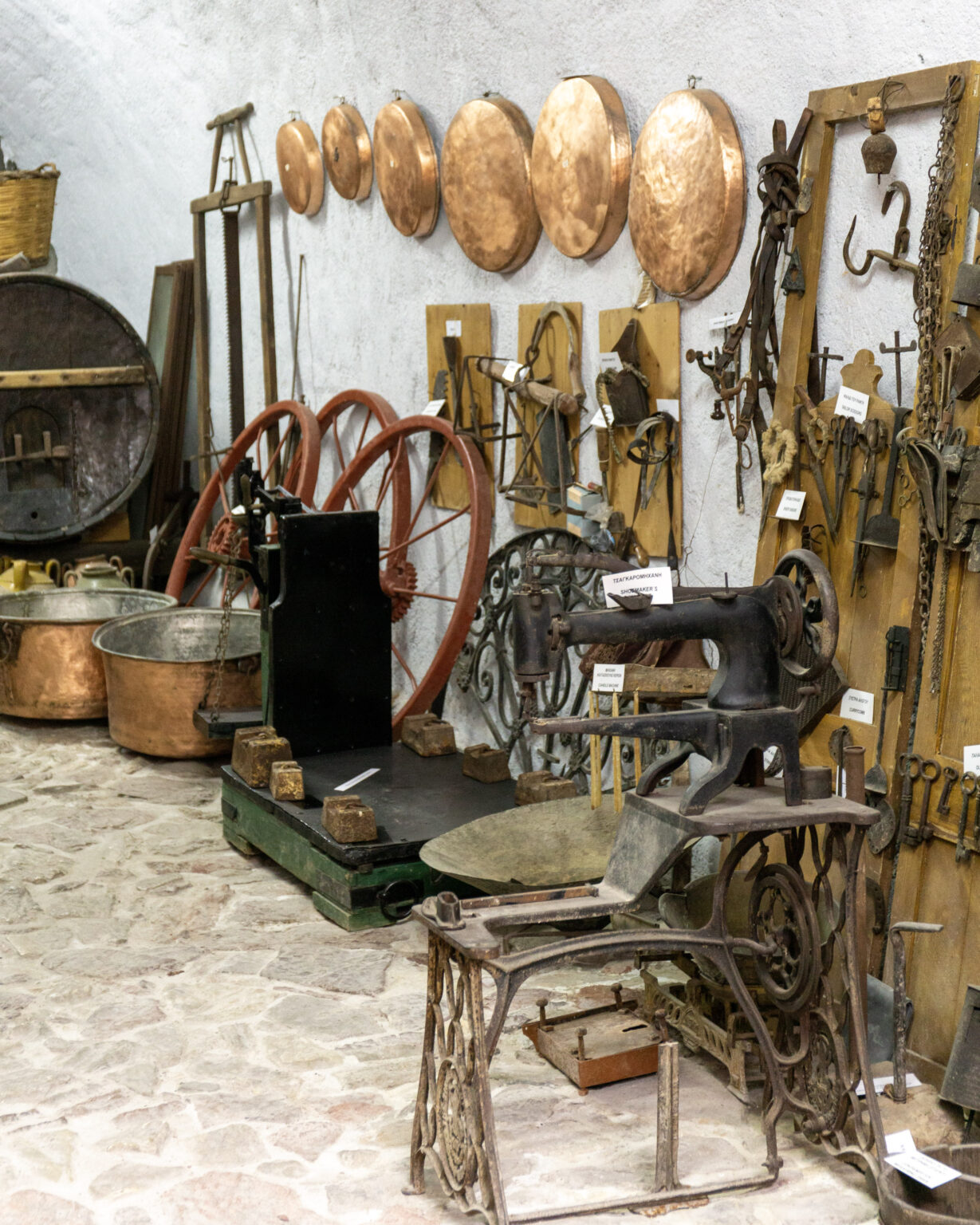
Are you in Andritsaina and looking for something unique? The Folklore Museum is a real treasure worth discovering! Inside this impressive historic mansion, you will find pieces of tradition and history that will enchant you. Here, you will take a trip back in time and experience the daily life of your ancestors up close.
Find the Rarest Information and Discoveries
More than 4,000 objects, dating from 1832 to 1932, await you. On the first floor, you'll tour a recreation of a traditional house, where you'll see how the rooms were laid out and discover everyday objects such as household utensils, farming tools and handmade embroidery.
A Unique Connection to the Past
On the second floor, you will admire men's and women's traditional costumes and objects of particular historical importance, such as the trunk of the Philistine Panagiotis Anagnostopoulos, a unique piece that connects you with the Revolution of 1821.
Each object here has its own story to tell, and together you will feel the power of tradition and heritage.
Live the Experience of Tradition
If you are looking for an experience that will bring you closer to the history and culture of Andritsaina, then the Folklore Museum is the ideal place for you. Every corner hides something new to discover, while the museum's collections invite you to connect with the roots and tradition of the place.
It is an opportunity to learn, admire and become part of this living history.
Days of operation: Wednesday, Friday, Saturday & Sunday
Hours of operation: 11:00 to 14:00
Temple of Apollo Epicurus
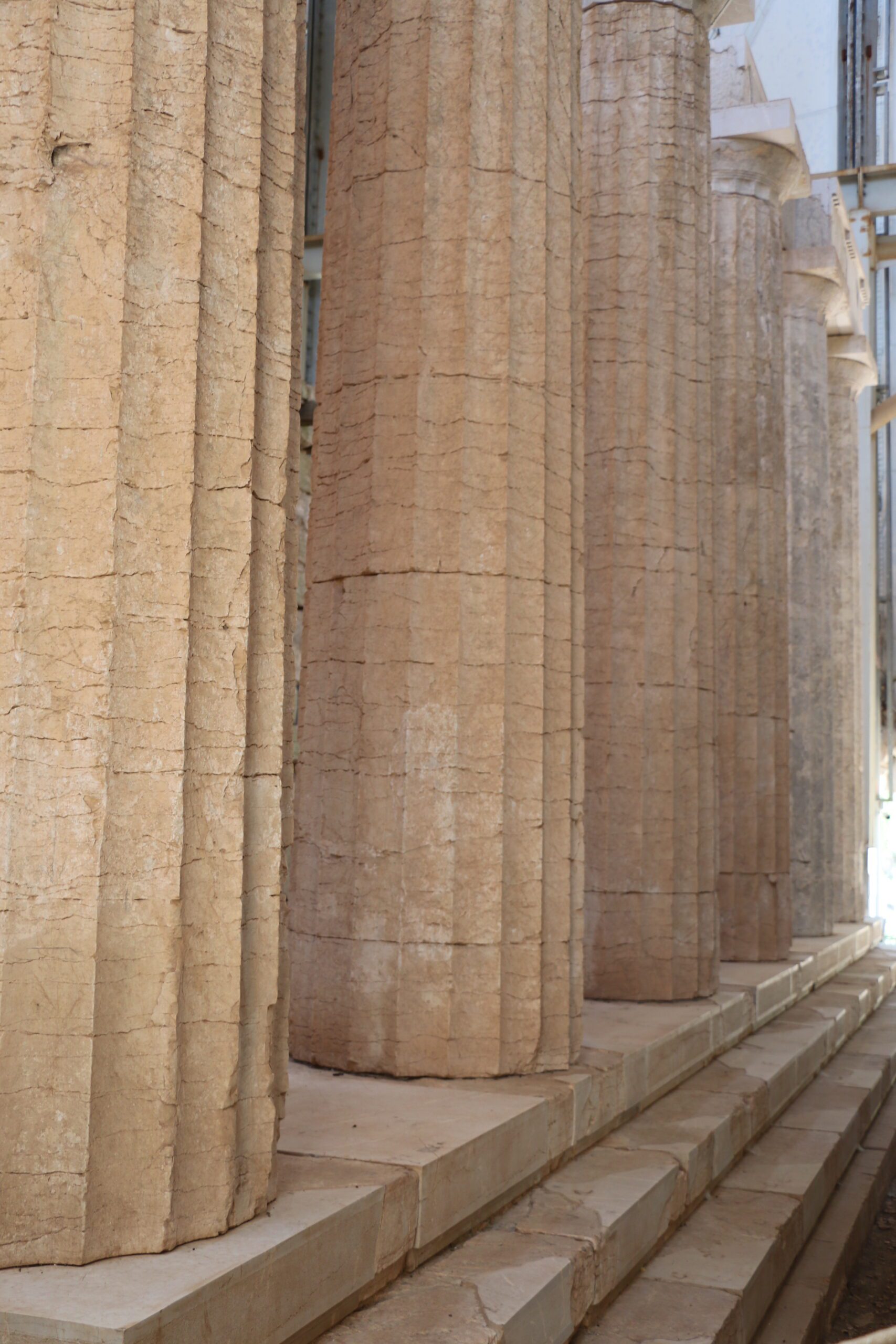
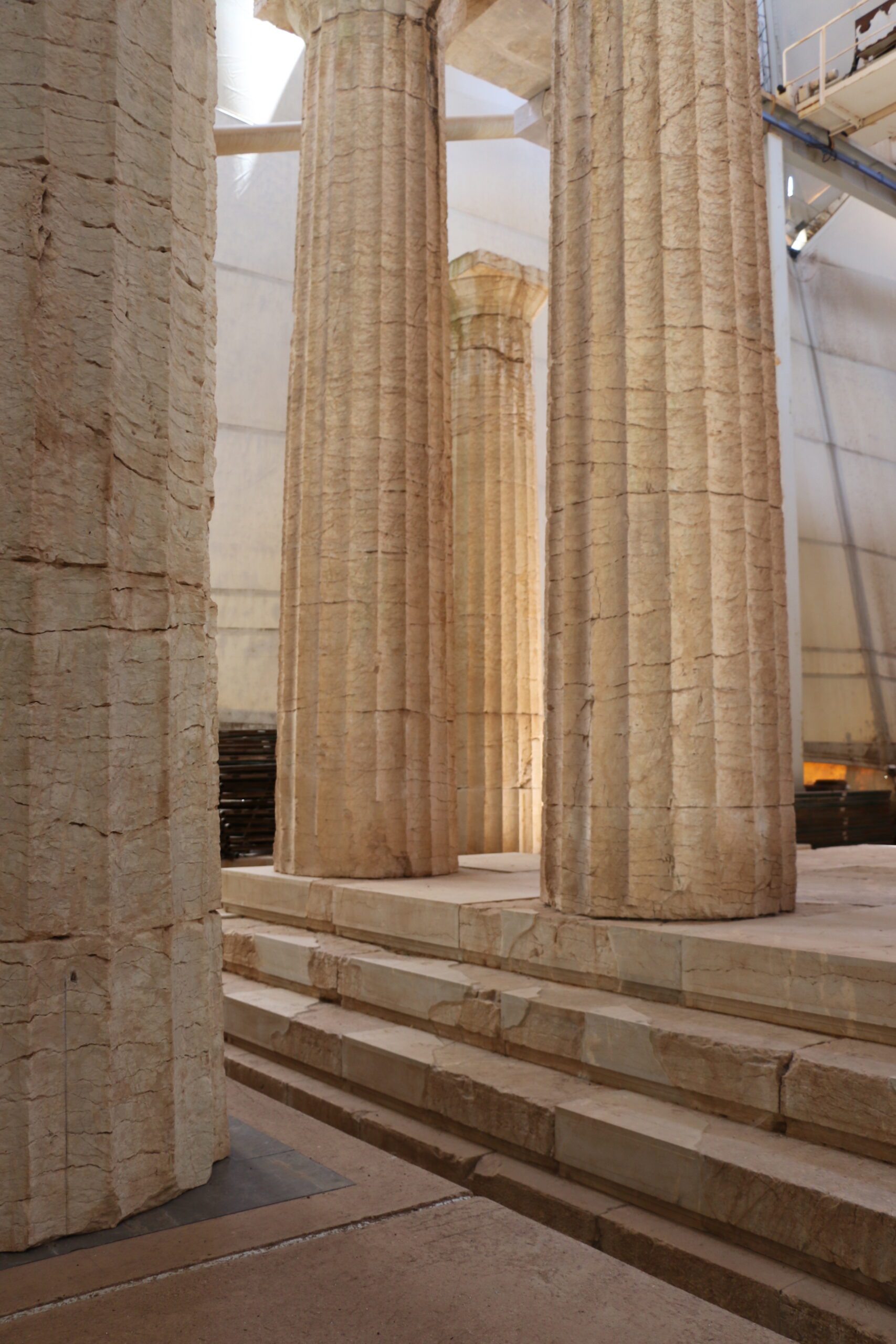
The Temple of Apollo Epicurus in Vasses is one of the most impressive and mysterious monuments of antiquity, often called the "Parthenon of the Peloponnese". Built in the 5th century BC by the famous architect Ictinus, the same architect who designed the Parthenon, the temple impresses with its architectural complexity and its strong symbolic significance.
A God Who Saved a People
The temple was dedicated to Apollo, the god of healing and light, when the inhabitants of Figaleia were faced with a devastating plague epidemic. Legend has it that Apollo saved them, and to honour him, the Phigaleans built this magnificent monument in a remote and imposing spot, at an altitude of 1,130 metres, surrounded by the mountains of the Peloponnese.
Architectural Magic
The temple is unique in its architectural structure, as it combines elements from three different architectural styles: Doric, Ionic and Corinthian. Inside the church is the first known Corinthian column in history, while the famous Ionic frieze, depicting the battles of Amazonia and the Battle of Centaurus, was removed in the 19th century and is now on display in the British Museum.
The Architectural Miracle that... Moves!
The temple is considered an architectural marvel, not only for the combination of its architectural styles but also for the myth that surrounds it. There is a theory that the temple moves in rotation over time! This rumour, though unexplained, is linked to the geometric precision of its design and its interaction with the natural forces of the environment.
The importance of Today
Recognized as the first Greek monument by UNESCO as a World Heritage Site in 1986, the Temple of Apollo Epicurus is a site of spiritual and cultural importance, which is kept under a special roof to protect it from the ravages of time and weather conditions.
Accessibility and Distance from Andritsaina
Just 14 km from Andritsaina, the visit to the temple is easy and the route is enchanting, crossing green mountains and small valleys. The temple can be visited all year round, and the experience of being in one of the most remote and unknown treasures of ancient Greece is truly unforgettable.
An Ancient Wonder Calling You
The Temple of Epicurean Apollo is not just a monument to antiquity; it is a place full of myth, history and architectural mastery that connects you directly to the greatness of ancient Greece. If you seek to explore the deep roots of Greek civilization, this temple is the ultimate reference point for your next adventure.
Tickets
Full: 6 euros, Reduced: 3 euros For the period April 1 – October 31, single tickets can be purchased for 6 euros (reduced ticket 3 euros). The ticket is valid for one day. Special ticket package: Full: 6 euros, Reduced: 3 euros. During the period November 1 – March 31, the price of the single ticket is reduced by 50% for all visitors and costs 3 euros.
Free admission days
- March 6 (in memory of Melina Mercouri)
- April 18 (International Day for Monuments)
- May 18 (International Museum Day)
- The last weekend of September each year (European Heritage Days)
- October 28
Trani Fountain
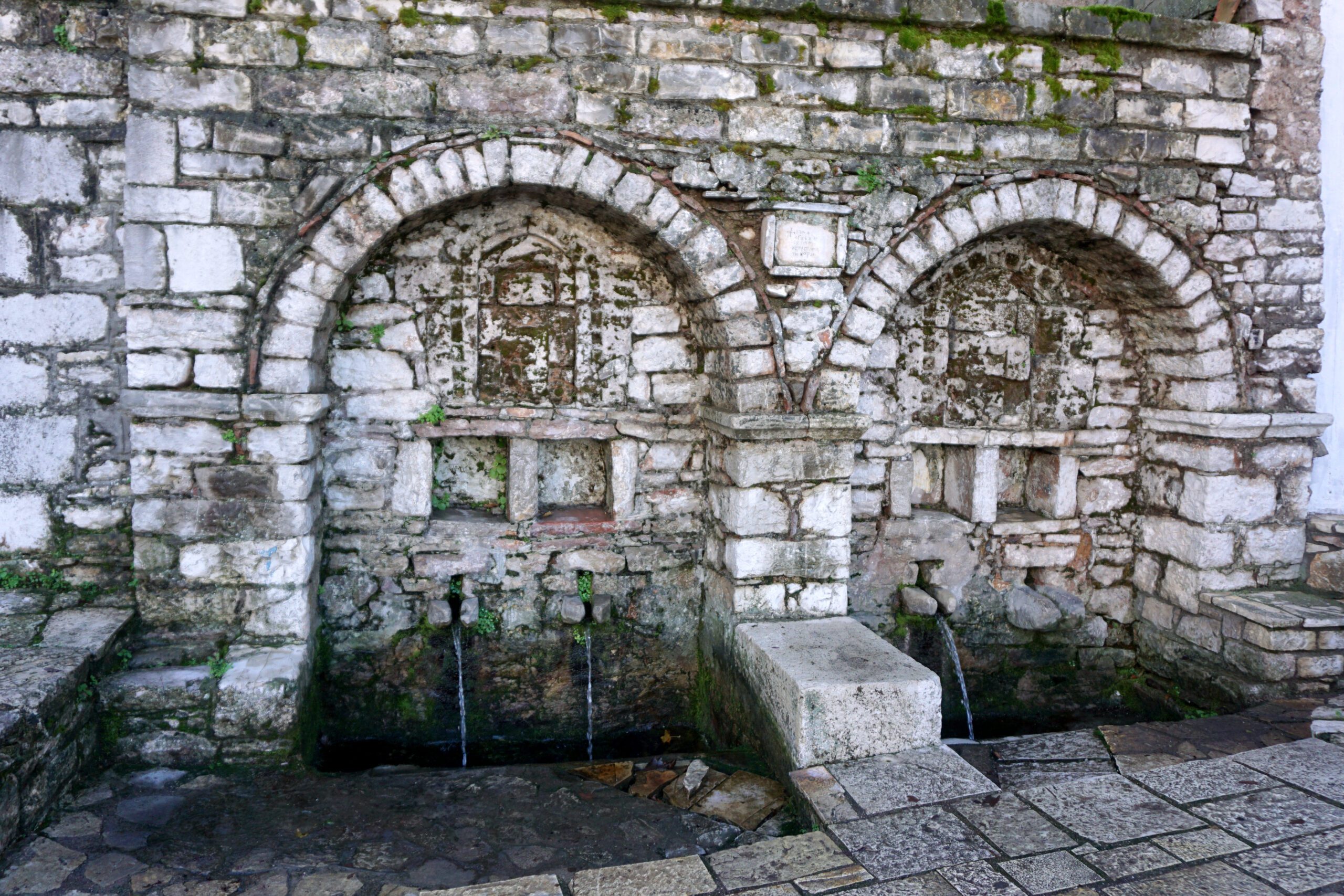
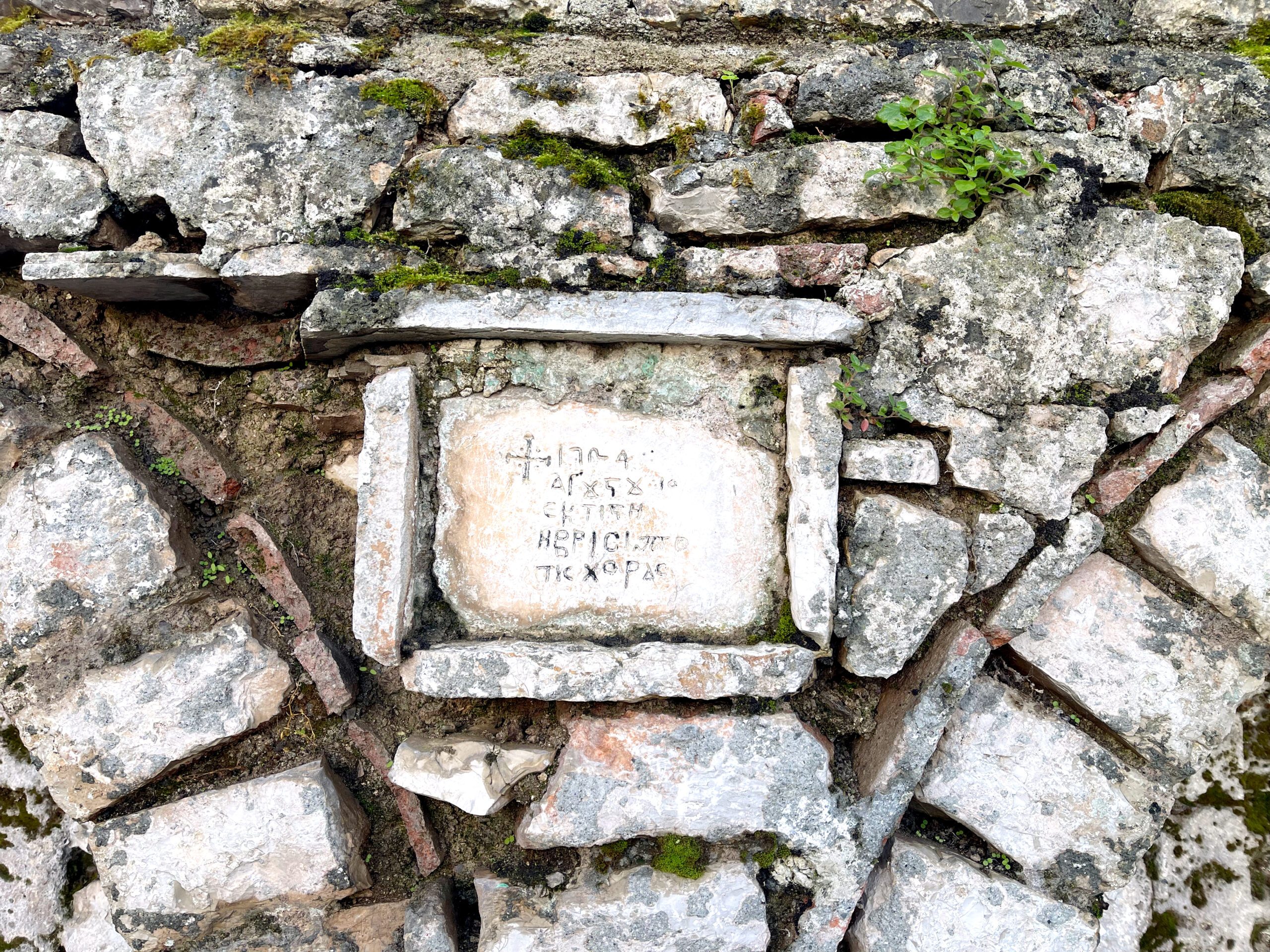
The Trani Fountain of Andritsaina is one of the most important and beautiful traditional monuments of the Peloponnese.
"The fountain was built by Chora" on August 10, 1724. This fountain is a living part of the local history and tradition. It is located in the centre of Andritsaina, under the age-old plane trees, and its cold, clean water has been flowing uninterruptedly for centuries, offering coolness and life to passers-by and residents of the town.
The architecture of the Trani Fountain, with its three large arches and its stone construction, is a typical example of the art of the local craftsmen of that period. The fountain was not only a means of providing water for the town, but also the meeting point of the local community. Residents gathered daily at the fountain to chat, exchange news and continue their traditions.
Throughout the centuries, Trani Fountain has become a symbol of the social and cultural life of Andritsaina. Many generations have passed through here, and every drop of water is associated with memories, myths and stories of the region. The fountain was a reference point for travellers and traders, and there were also traditions that said that its water had blessing and healing properties.
Today, Trani Fountain is one of the most emblematic sights of the area. It is a timeless reminder of the value of water and nature, inviting visitors to feel its magic. Its water still flows uninterrupted, while the area around the fountain offers moments of relaxation and contemplation, with the coolness of the plane trees creating a natural haven.
A visit to Trani Fountain is a journey into the past, a tribute to the local history and traditions that live on through this masterpiece of traditional architecture.