Isovas Monastery – The forgotten Gothic monastery of the Frankish period in Ilia
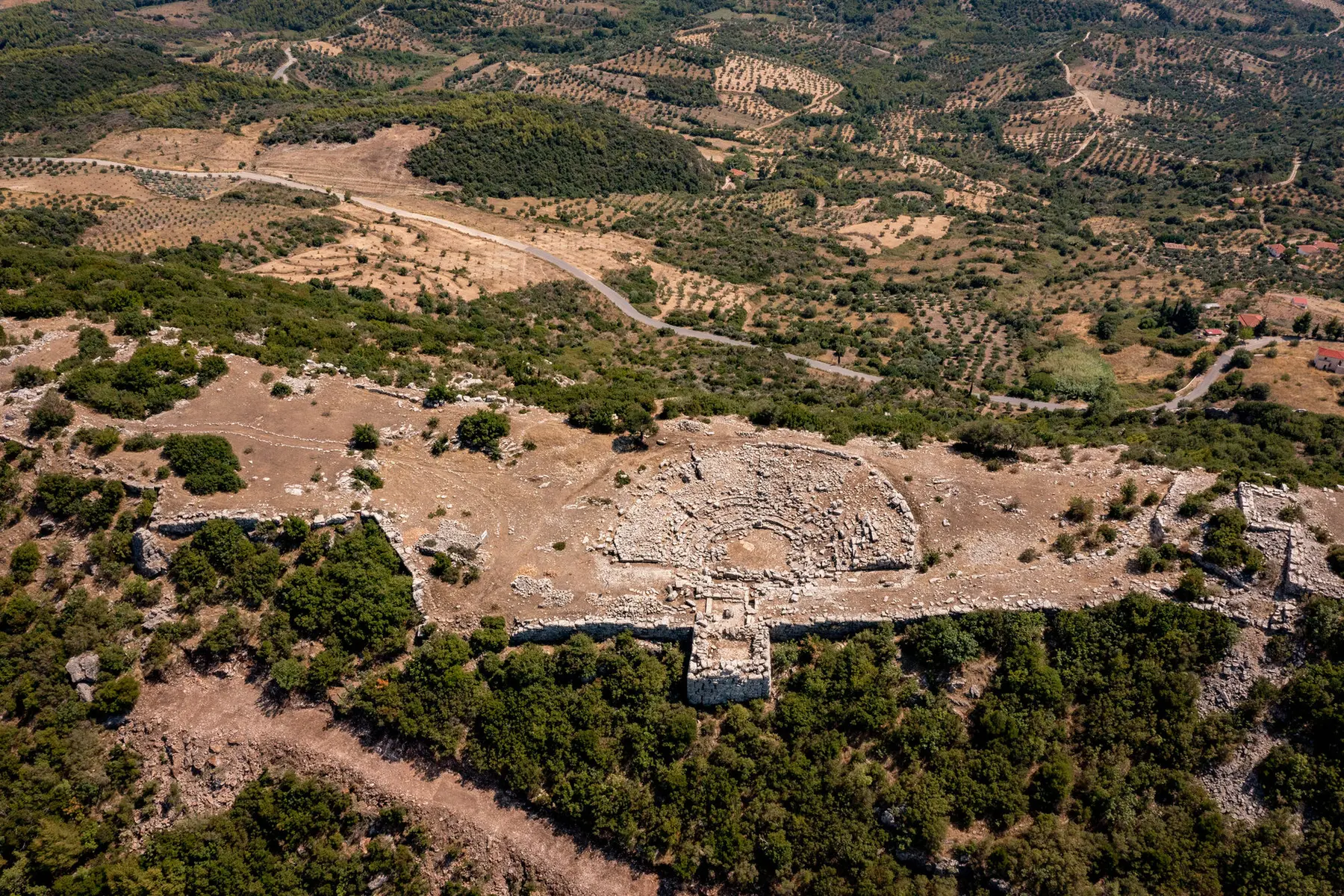
The Frankish Monastery of Isova, near the village of Tripiti in Ilia, is one of the most fascinating and mysterious monuments of the Frankish rule in the Peloponnese. Hidden in a secluded valley near the Alpheios River, about 25 kilometers from Andritsaina, the monastery today looks like a stone remnant of a world that was lost centuries ago. battles
Built around the first half of the 13th century – probably around 1225 – by Frankish monks of the order of Cistercians, the monastery was part of a large monastic network that had spread throughout Europe at that time. These monks came from the famous monastery of Clairvaux in France, which was founded by Saint Bernard. They never chose the locations of their monasteries at random; they preferred isolated areas near rivers or fertile valleys, far from cities, so that they could live according to their strict monastic rule, dedicated to prayer and work.
This explains why the Isovas Monastery was built near the Alfeio, the largest river in the Peloponnese. The Frankish monks called it «"Notre Dame"», meaning "Our Lady", as they used to call many of their churches in Western Europe. This name is reminiscent of the great Gothic churches of France, and indeed the architecture of the monastery bears strong elements of Gothic art.
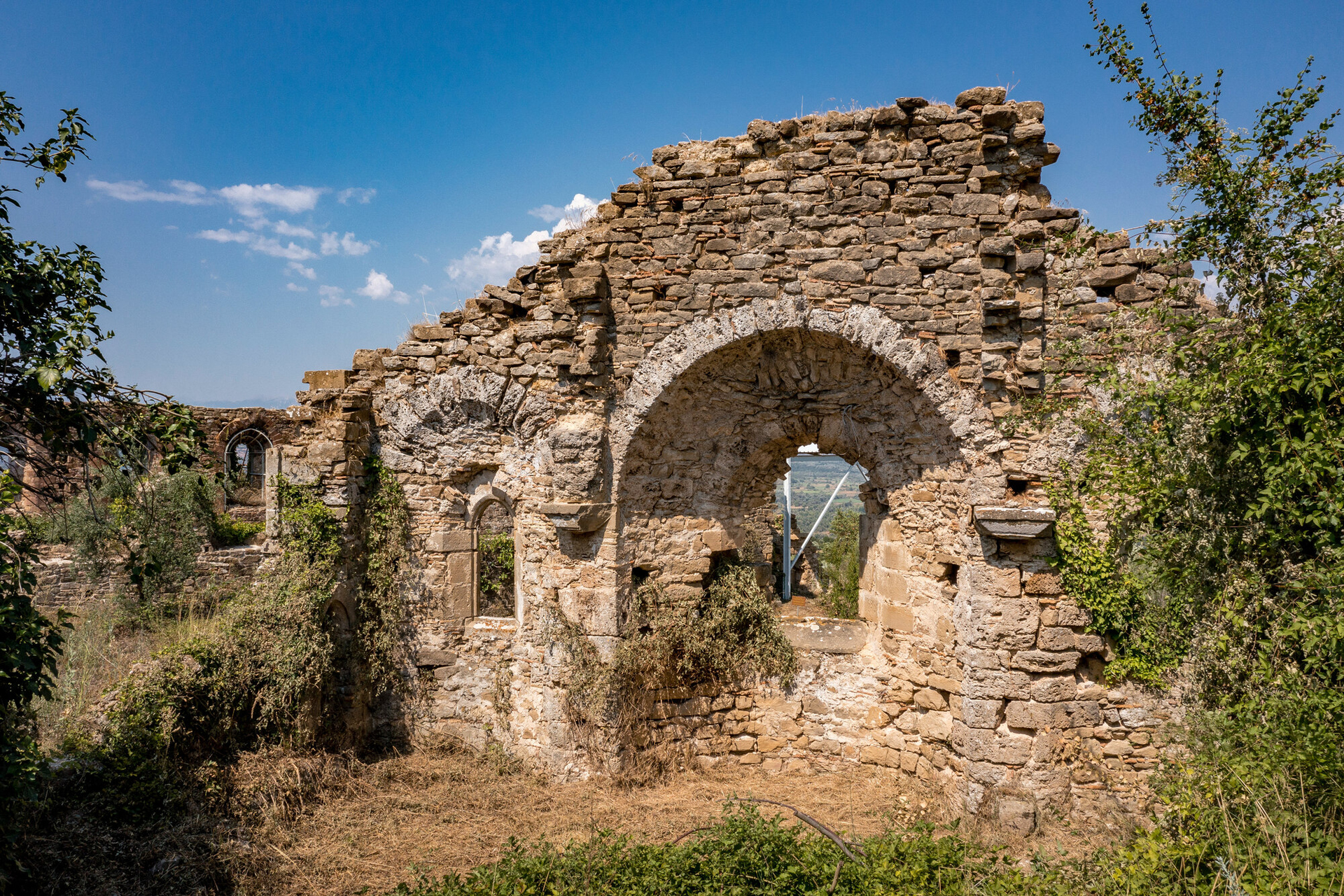
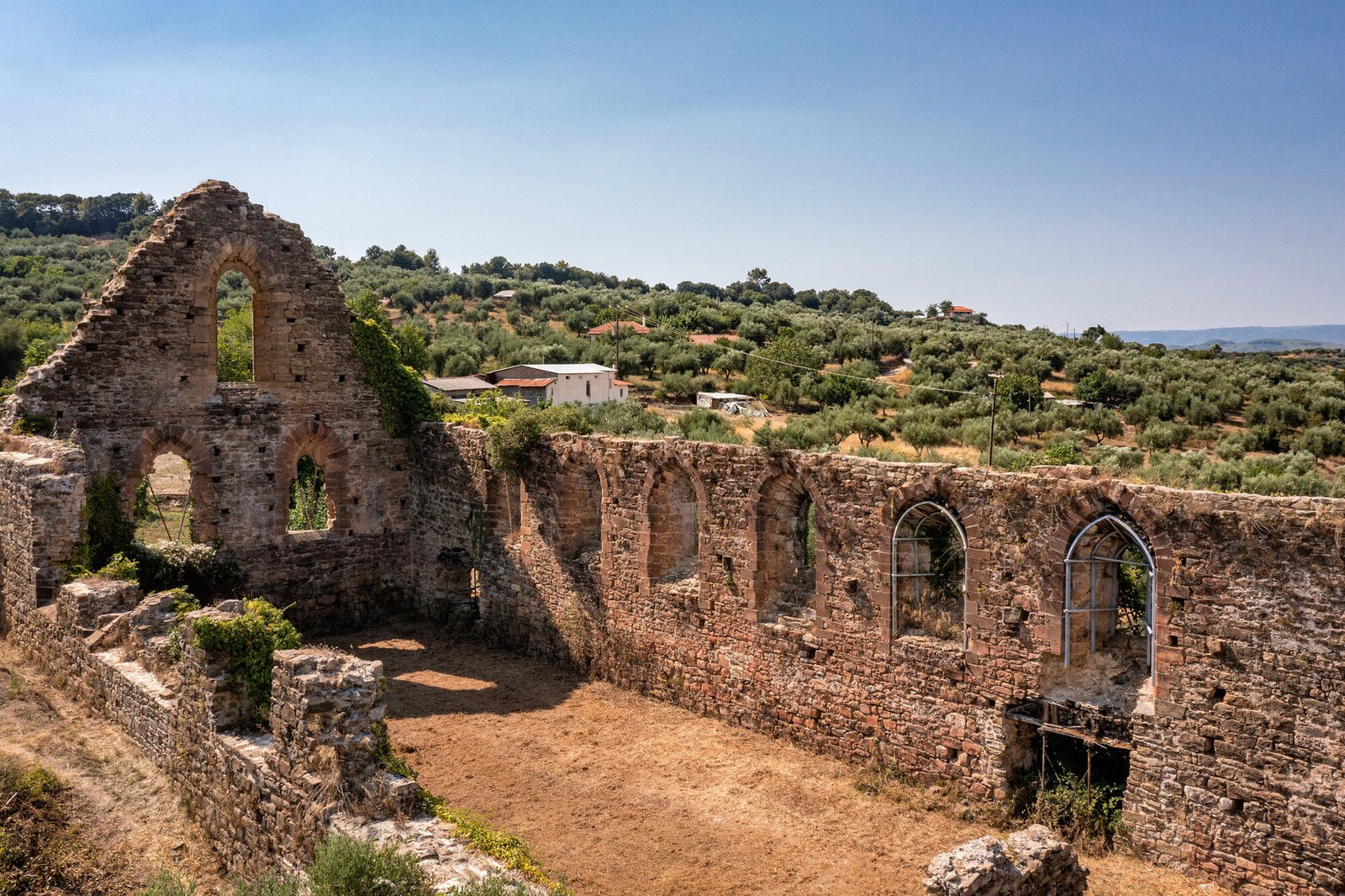
The church of Panagia Isova stands out for its pointed windows, its high openings and its simple but imposing lines. Its architecture follows the principles of the Cistercian monks, who avoided excessive decoration and preferred simple, austere and spiritual buildings. For the construction of the monastery, it is said that the monks even brought experienced craftsman from Francia, in order to transfer the Western European Gothic style to the Morea.
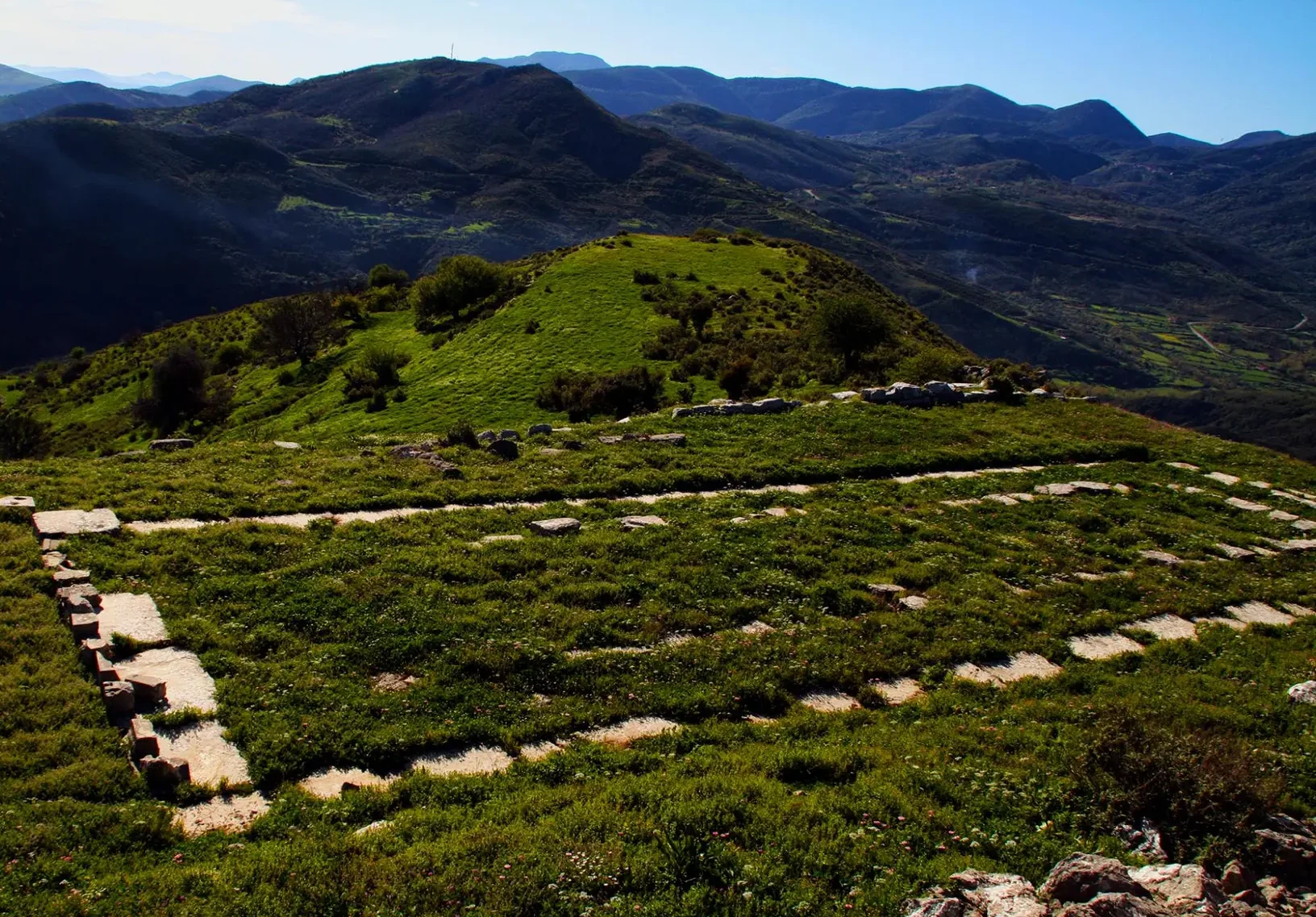
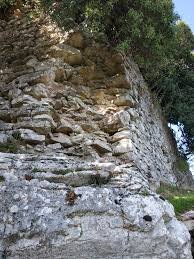
Today, the impressive ruins of the church and parts of the monastic buildings survive. As one walks among the stones, one can still imagine the monks' cells, the courtyards and the spaces where a small but active monastic community once lived.
The history of the monastery, however, did not last long. According to historical reports, around 1263, just a few decades after its foundation, the monastery appears to have been abandoned and probably destroyed during conflicts of the time, when Byzantine troops were moving through the area before battles with the Franks of the Principality of Achaia.
A few meters beyond the ruins of the monastery is the small chapel of Saint Nicholas, another interesting monument that presents a rare mix of architectural elements: Gothic arches next to Byzantine bricks and construction techniques. This coexistence of architectural traditions testifies to the special historical period during which the West and the East met in the Peloponnese.
Today, the Isovas Monastery stands in ruins but imposing amidst the natural landscape of the area. The large Gothic window that survives on the west side of the church lets the light of the sunset pass through the stone walls, creating an almost mystical atmosphere.
A visit to the Isova Monastery is like a small journey back in time. Among the ruins of this Gothic church, in the silence of nature, the visitor can still feel the presence of a forgotten page of the history of the Morea.
Distance from Andritsaina: 25 km.