Alpheus River – Natural Wonder of the Peloponnese
Alpheus, the largest river in the Peloponnese, is not just an impressive natural landscape, but a river full of stories and legends.
Mythology of Alpheus
THE Alpheus River was not just a river for the ancient Greeks. In mythology it was considered river god, son of Oceanus and Tethys, who was especially worshipped in Arcadia and the Ilia.The most famous myth is connected with his love for the nymph Arethusa. The nymph, wanting to escape his pursuit, asked for help from the goddess Artemis, who transformed her into a spring of water on the island of Ortygia near the Syracuse. According to the myth, Alpheus himself was transformed into a river and its waters passed under the sea to reach his beloved. Thus was born the tradition that the waters of the river mysteriously unite with the spring of Arethusa. The river is also associated with one of his feats Hercules, when the hero diverts the waters of the Alpheus to clean the stables of King Augeas.
Historical and lesser-known facts
Alpheus is the largest river in the Peloponnese, both in length and water supply. Its length is reported in the literature as approximately 110 to 120 kilometers, while its drainage basin covers a large part of the central and western Peloponnese.
Its sources are located on the plateau of Tripoli, at the ends of Parnonas and on its slopes Taygetus. One of its well-known sources is the so-called Frankovrysi, for which the ancient traveler Pausanias It mentions that near it there was a sanctuary of the Mother of the Gods and two impressive stone lions.
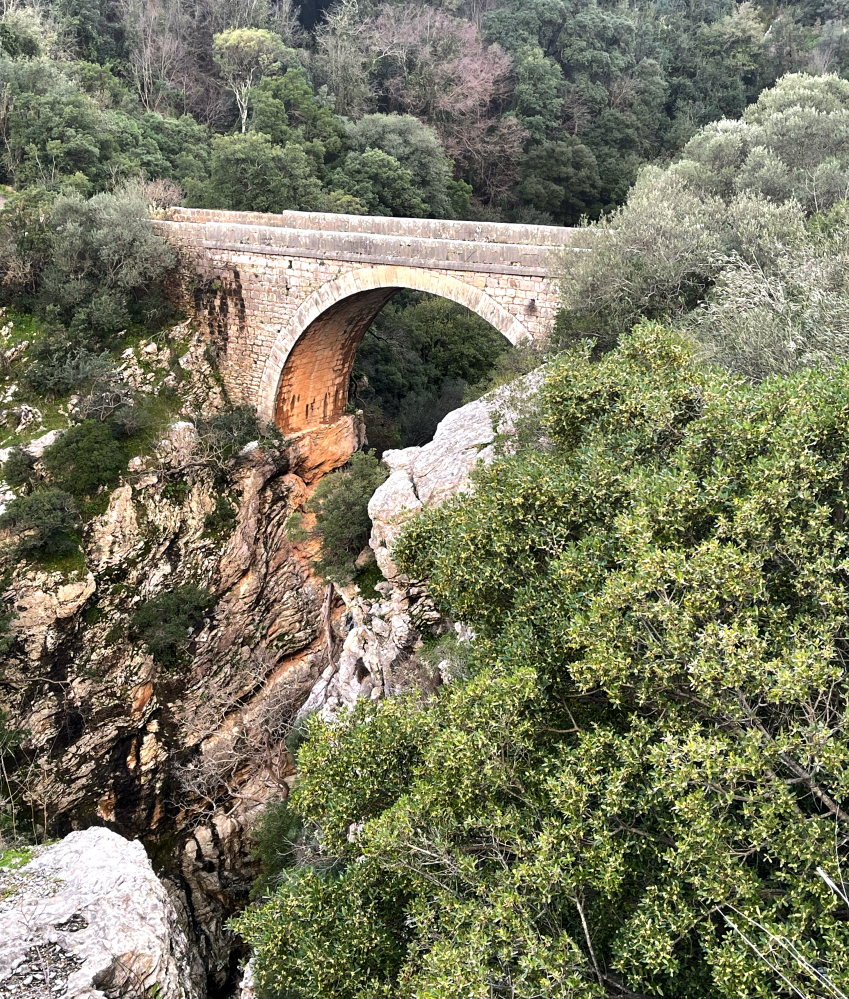
On its course the river passes close to the Karitena and meets the river Lousios River, which significantly enhances its flow. In some places it passes through narrow gorges that were formerly called «"iron gates"», creating impressive natural landscapes.
In ancient times the river was also of great importance for the Ancient Olympia, where it was associated with purification rituals during the Olympic Games.
A river with many names
Throughout history, Alpheus has also appeared under other names. In Byzantine times, he was referred to as Alpheus, while in later times it is also found as Rufias. The Franks of the Peloponnese called him Carbon, probably due to the black materials that the water carried to its banks.
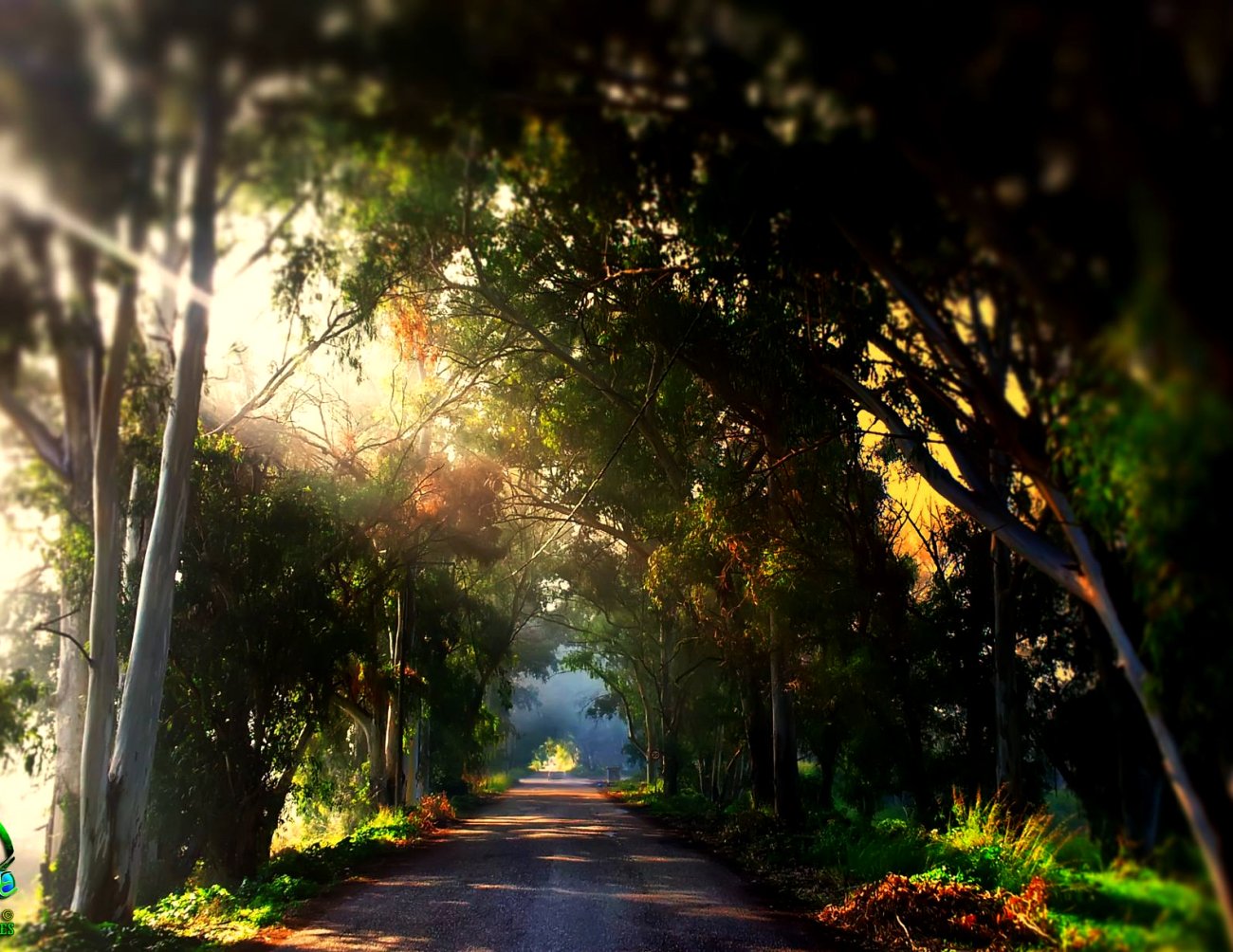
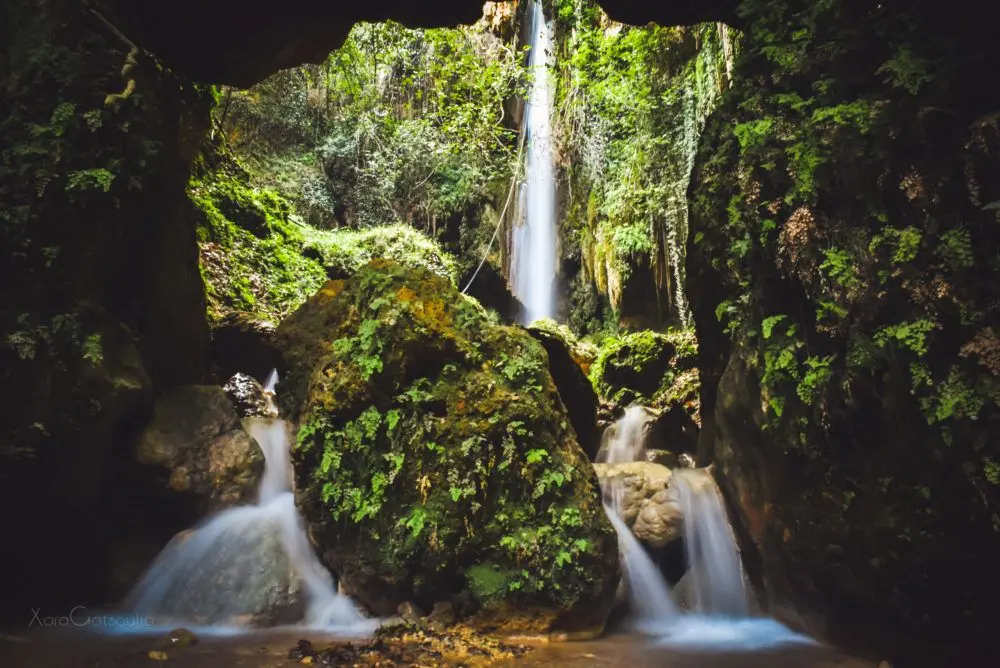
Today, Alfeios continues to enchant visitors with its natural beauty and the abundance of activities it offers. You can go rafting in the narrow passages near Karytaina, where arched bridges and dense forests create a scene straight out of a fairy tale. Or, if you prefer tranquility, you can enjoy hiking along its banks, discovering the rich flora and fauna of the river. Trout and carp live in its clear waters, while around Alfeios you can encounter rare birds and wild animals.
The presence of the river has always been important to the inhabitants of the area. In ancient Olympia, the river was associated with purification rituals during the Olympic Games, giving a symbolic and religious dimension to the landscape. Today, it is a magnet for nature and adventure lovers, making it one of the most vibrant destinations in the Peloponnese.
Activities and experiences in Alfeios
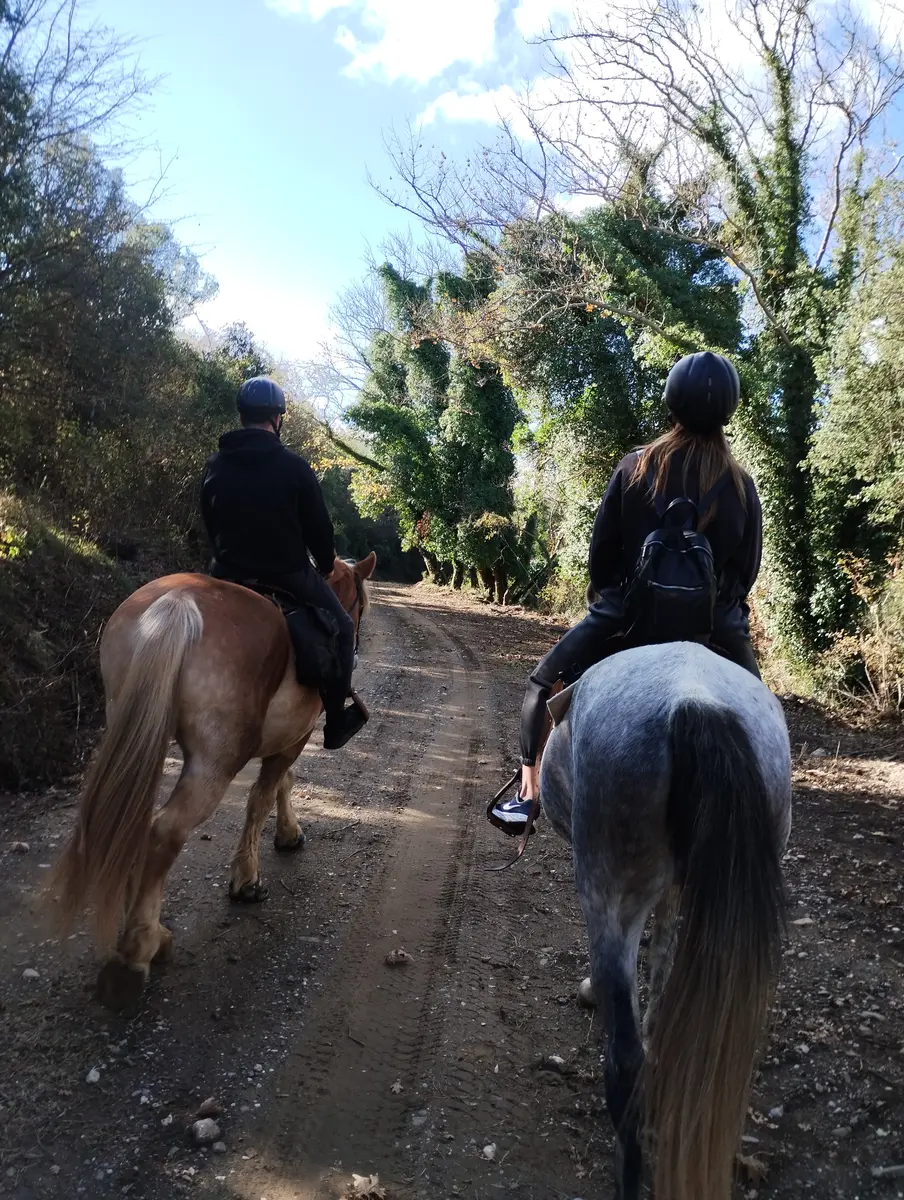
THE Alpheus River offers many activities for those who love nature and adventure. At some points of the river, activities such as rafting and canoeing are organized, especially near Karytaina. At the same time, its banks are ideal for hiking, nature photography and exploring the rich flora and fauna of the area.
Why it's worth visiting Alfeios
THE Alpheus River is not just a river but a landscape full of history, myths and natural beauty. From the mythology of Arethusa to the historical landscapes around Ancient Olympia, the river is one of the most impressive natural destinations in the Peloponnese and an experience that combines nature, culture and adventure.