The Bridge of Alpheus – The stone passage that became a legend
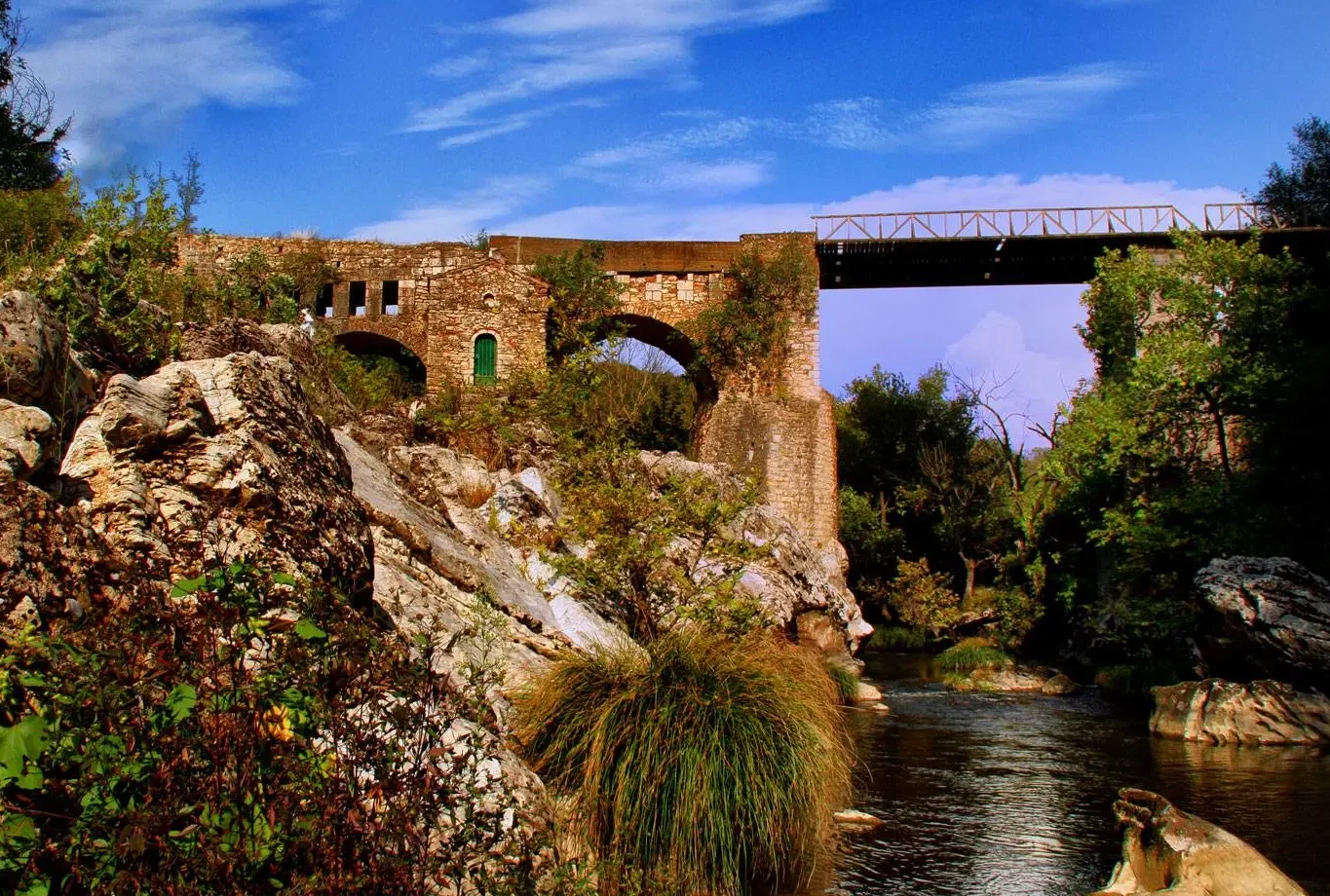
For many, the old five thousand was not just a banknote. It was an image etched in memory: the imposing bridge of Karytaina, standing proudly over the Alpheus. A bridge that did not just connect banks — it connected eras.
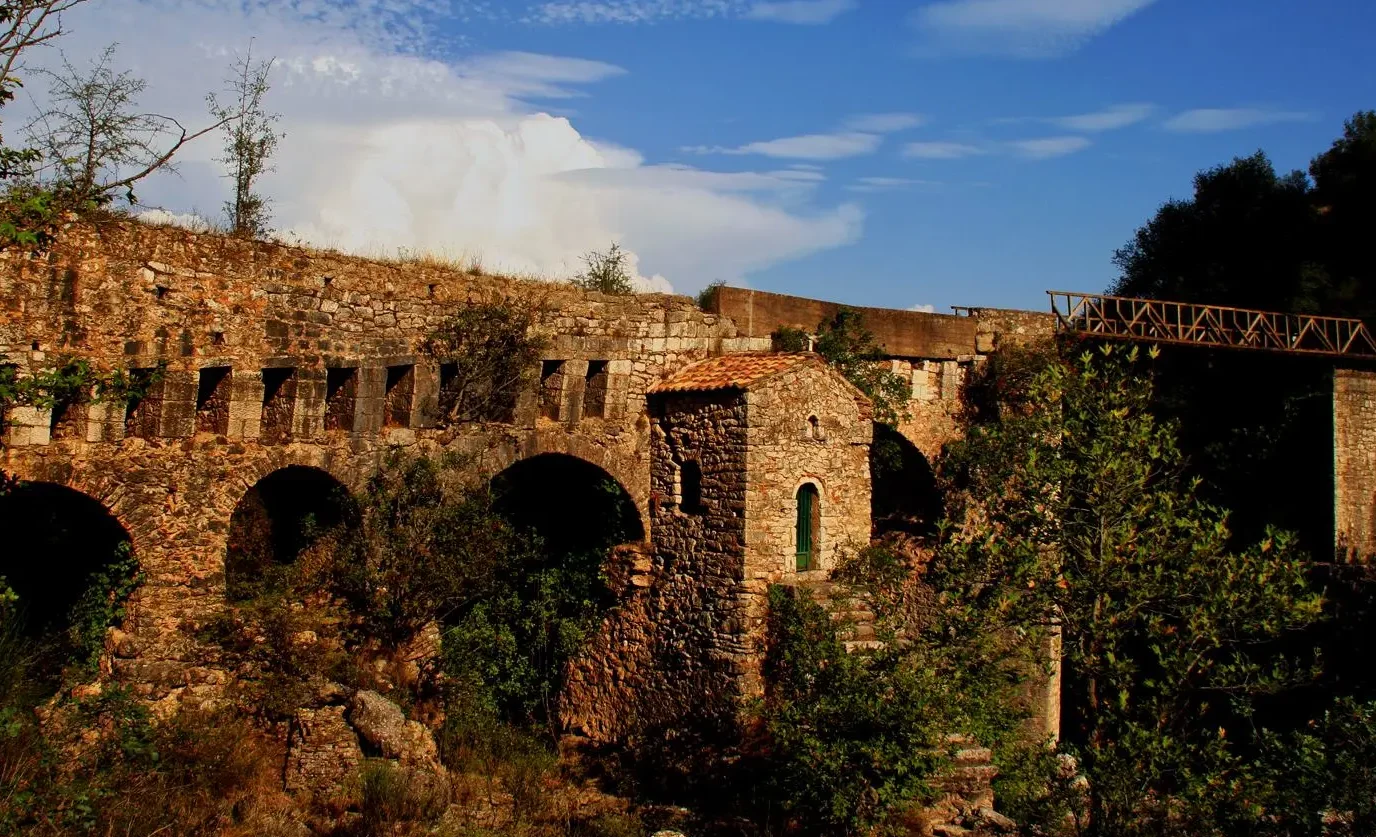
Built in the 13th century, during a period when the Peloponnese was changing hands and empires, the bridge was not a simple means of transportation. It was a strategic project. Its five arches did not only serve travelers and merchants; they served armies, controlled roads, and protected passages. Next to it stood the castle of Karytaina, built in 1245 by Godfrey de Bruyères, to control the plain of Megalopolis and the trade routes of East and West.
And yet, what makes it unique is not just its history — it's the feeling it exudes.
At one end, almost like a sentinel, stands a small chapel. It is not decorative. It is a reminder of an era when every passage could hide danger. The sacred next to the strategic. Faith next to defense. A rare and symbolic combination.
During the Revolution of 1821, Karytaina and its bridge gained even greater importance. Theodoros Kolokotronis recognized the strategic position of the area and settled here. The castle-city remained Greek even in the most difficult moments of Ibrahim's invasion. The stones of the bridge became silent witnesses of war, anguish and endurance.
There are also legends. The Alpheus Pass was a major trade route. It is said that valuable cargoes, perhaps even gold, passed through here. No evidence confirms the stories — but the imagination refuses to give them up.
Even nature collaborates with the myth. In the mornings, when the fog rises from the river, the bridge seems to float. As if it doesn't belong completely to this era.
And then there's its mechanics. Its arches are no accident. Hidden auxiliary structures absorb the pressure of the waters during floods. Frankish know-how meets Byzantine tradition. Two worlds in one stone arch.
Today, the Karytaina Bridge is not just a monument. It is an experience. You stand on it and feel like you are stepping on layers of time. Every stone has heard the footsteps of soldiers, merchants, revolutionaries, travelers.
And when you look from there towards the Alpheus Gorge, you understand why this bridge didn't just remain in history — it also entered the soul of a place.
If you find yourself in Karytaina, don't just look at it. Walk through it slowly. Stop at the little chapel. Look at the castle that has been watching over it for centuries. And let time whisper its stories to you.